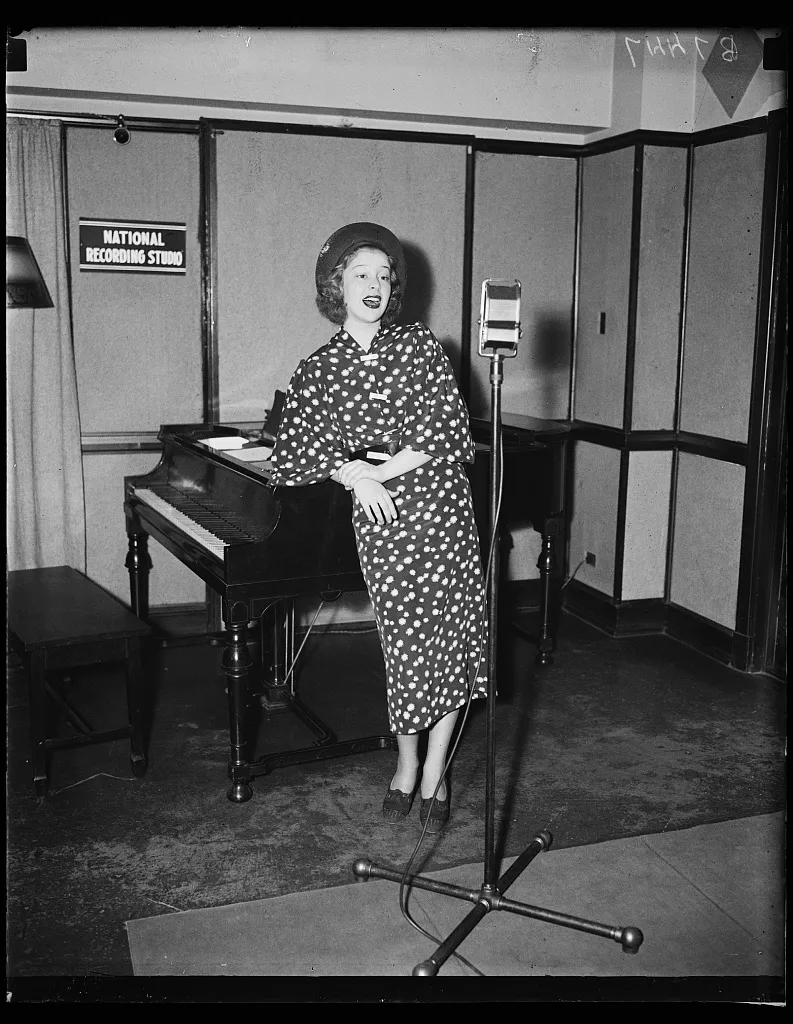
The Favour Ledger: One Week Inside Britain’s Studio Swap Chain
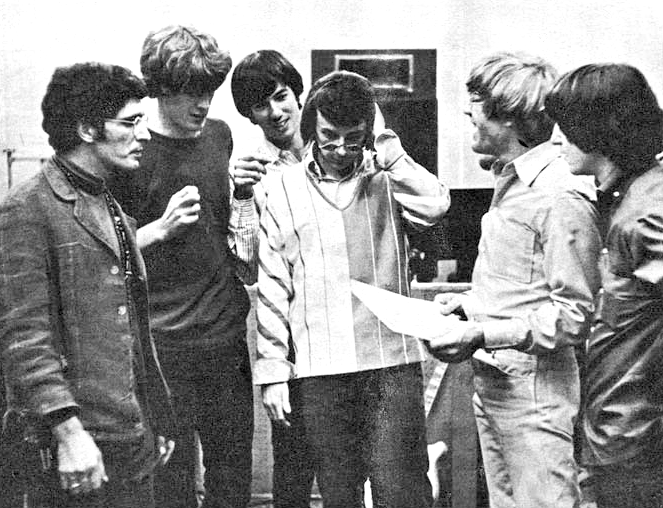
Photo: Původní publikace : KRLA Beat, Beat Publications, 6. listopadu 1965, roč. 1, č. 34, s. 12., Public domain, via Wikimedia Commons
Monday: The Ask
At 8:14am on a grey November Monday, a message lands in a WhatsApp group called “Rooms, Rigs & Ropey Mixes”. It is not a booking enquiry. It is a trade. A producer in Hackney Wick has a four-hour cancellation on Wednesday afternoon, a valve compressor with a sticky bypass switch, and a chorus pedal that someone left behind in 2024. He does not want money. He wants a favour banked.
Within eleven minutes, an engineer in Leeds replies. She has a vocal chain that needs a second opinion, a spare SM7B, and a client who can only record on Saturday mornings. The offer is simple: take the London room for Wednesday, and she will spend two hours on a mix critique before the week is out. No invoice. No deposit. Just a screenshot of the diary and a thumbs-up emoji.
This is the studio swap shop — a loose, semi-private economy running through group chats, DMs and the occasional pub table. It is not a platform. There is no escrow, no star rating, no cancellation policy written by a lawyer. It is just small rooms and emerging artists trading unused hours, spare gear and ears, because the formal booking market rarely bends around real life.
Tuesday: The Trade
The chain we are following runs from a converted warehouse in East London to a room off Kirkstall Road in Leeds, with a detour through a Sheffield bedroom setup that has better monitors than most of the venues on the M62. The currency is hours. A four-hour London session becomes a two-hour mix check, which becomes a loan of a bass amp, which becomes a Saturday morning vocal session for a Leeds singer who cannot afford a full day.
On paper, it looks chaotic. In practice, it has a rhythm. The London producer — call him Dan — says the swap shop started because his room was sitting empty on weekday afternoons while his inbox filled up with artists asking for discounts. “I was either going to drop my day rate or find another way to keep the lights on,” he says. “Trading hours felt less grim than cutting the price again.”
The Leeds engineer, Priya, has a different motivation. She has a small collection of decent gear and a growing list of clients who want quick turnarounds. What she lacks is a room with a decent live space and a neighbour who does not complain about kick drums. The swap gives her access without a deposit. “It is not free,” she says. “It is just paid in a different way.”
Wednesday: The Drive North
By Wednesday lunchtime, the London room is warm, the kettle is on, and the compressor is still bypassing itself at random. Dan has left a note on the desk: “Sticky switch — give it a thump. Not a joke.” The artist using the room is a Leeds-based duo who drove down with a hard drive, two guitars and a very specific idea about tambourine. They have traded a Saturday morning vocal session for the afternoon. Nobody has mentioned money. Everybody has mentioned parking.
This is where the swap economy gets interesting. The value is not just the room. It is the flexibility. A formal booking might come with a cancellation window, a deposit and a VAT receipt. The swap comes with a text message that says “just bring the drive and don’t touch the thermostat”. For emerging artists, that informality is the point. For studios, it is both a lifeline and a liability.
Dan admits he has been burned. Last summer, a trade for “a couple of hours of mix feedback” turned into three weeks of revisions, two phone calls and a request to master a single for free. “I learned to write the trade down,” he says. “Not a contract. Just a message that says what the swap is and what it isn’t.”
Thursday: The Feedback Loop
Priya listens to the rough mix on Thursday night, in her own room, with a cup of tea and a notepad. She does not charge for this. It is part of the chain. She sends back six voice notes, two references and a warning about the snare. The artist sends back a thank-you and a promise to return the favour. The promise is logged in the group chat like a receipt.
This is the part that worries some engineers. Favours are easy to start and hard to close. A swap that begins as a fair trade can quietly become unpaid labour if one side keeps asking and the other side keeps saying yes. The group has a loose rule: no more than two open trades at a time. It is not enforced. It is just mentioned, politely, when someone starts to look tired.
“The swap shop works because people remember,” says Priya. “But memory is not a system. If you are the person who always has spare time, you become the person who always gives it away.”
Friday: The Ledger
By Friday, the chain has stretched further than anyone planned. The Sheffield bedroom producer has loaned a bass amp to the Leeds room. The Leeds room has promised a Saturday vocal session to a singer from Bradford. The London room has a new tambourine part and a compressor that still needs a thump. Nobody has invoiced anybody. Everybody has a screenshot.
Is this an underground economy or just a bunch of people doing each other favours? The distinction matters. An economy implies a rate, a market, a way to value the trade. A favour implies goodwill, which is harder to enforce and easier to exhaust. The swap shop sits somewhere in between, and that is exactly why it is growing.
For independent rooms, the appeal is obvious. Empty hours are lost income. A trade turns them into relationships, gear access and future bookings. For artists, it is a way to get through a recording project without a credit card. But the model only holds if both sides keep counting. The moment the counting stops, the goodwill starts to curdle.
Saturday: The Reckoning
The Saturday vocal session happens in Leeds. The singer arrives with a flask and a hard drive. Priya sets up the SM7B, checks the room, and remembers why she likes this job. The trade has worked. The chain has held. Nobody has been paid in pounds, but nobody has been left out of pocket either.
Still, the week leaves a question hanging in the group chat. Can an informal swap shop keep Britain’s small studios alive without turning favours into unpaid labour? The honest answer is: not on its own. It needs boundaries, a bit of paperwork and the willingness to say no when the ledger tips. The swap shop is not a replacement for a booking platform or a fair day rate. It is a pressure valve. And in 2026, with rooms closing and budgets tightening, a pressure valve is not nothing.
On Sunday night, a new message appears in “Rooms, Rigs & Ropey Mixes”. Someone in Bristol has a spare afternoon and a faulty reverb unit. Someone in Cardiff has a mix that needs ears. The chain is already moving. The favour ledger is open.