The Envelope in the Christmas Card: What a Gifted Studio Day Really Buys
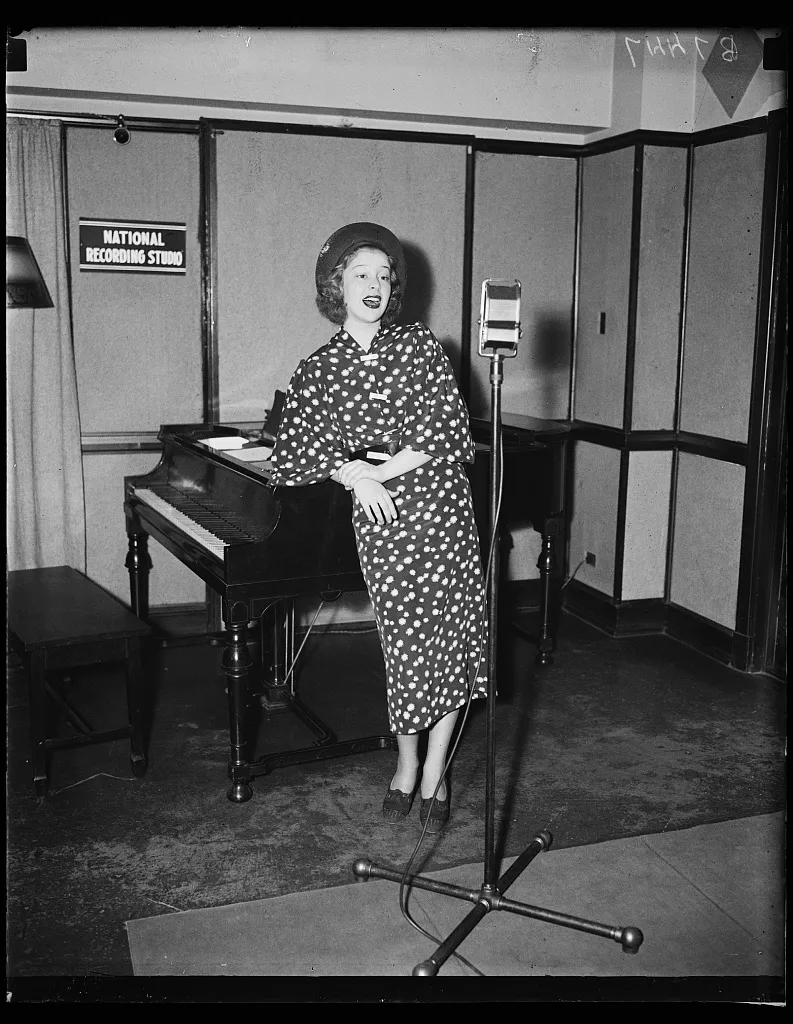
Photo: The Library of Congress, No restrictions, via Wikimedia Commons
Christmas shopping for musicians is a minefield. A new pedal is too personal, a microphone is too technical, and another branded mug will end up holding plectrums by Boxing Day. So this year, plenty of UK studios have been pushing a tidier answer: the recording-time voucher. Pay now, wrap it up, and let the artist book a day in the room after the tinsel comes down.
It sounds generous, and it often is. But a voucher is not quite a session. It is a promise with terms attached, and the gap between the Christmas card and the January calendar is where things get interesting.
The voucher counter in December
Studio owners around the country say the same thing: vouchers sell best when the buyer is not the musician. Parents buy them for children who have been recording on a laptop. Partners buy them for someone who keeps saying they should finally finish those songs. Bandmates club together and buy a day for the friend who always books the rehearsal room but never the studio.
In Leeds, Bristol, Glasgow and the less glamorous bits of London, the packages tend to look similar. A day in a small live room, maybe eight hours, often with basic backline and a tea-making situation that ranges from charming to grim. Some include an engineer; many do not. A few throw in a rough mix, which sounds generous until you realise a rough mix is exactly what it says on the tin.
Prices vary wildly. A weekday day in a modest room might be £150 to £300. Add an engineer and the number climbs. Add a weekend and it climbs again. The voucher itself is usually a neat card or a PDF, which is fine until someone tries to redeem it on the first Saturday of January.
What the small print is really saying
This is not a scam. Most studios are careful and decent about vouchers. But the mismatch usually starts with expectations, not bad faith. The buyer imagines a finished song. The studio is selling time. Those are different products.
The classic issues are boringly practical. The voucher might be valid for twelve months but excludes peak weekends. It might cover the room but not the engineer, the mix, or the extra hour when the drummer finally gets the bridge right. It might be transferable, or it might not. It might be refundable, or it might become a credit note that quietly expires in a drawer.
One engineer in the Midlands told me he sees the same pattern every January. Someone arrives with a voucher, a guitar and no clear plan. They have never been in a proper studio. They do not know whether they are tracking a single, a demo or a birthday present to themselves. By lunchtime, everyone is being very British about the fact that no one has pressed record.
That is not the recipient's fault. A gifted session is an invitation, not a briefing. If nobody explains what the day is for, the day can turn into an expensive cup of tea with microphones in the room.
January, when the voucher meets reality
Redemption season is the real test. Studios say December vouchers often sit unbooked until the first week of January, then arrive in a flurry of enquiries. Some recipients book immediately and turn up prepared. Others call in February, having lost the card, or having discovered that the voucher cannot be used on the only day their band is free.
No-shows are rare but memorable. More common is the awkward partial show: two band members turn up, the singer is ill, and the session becomes a rhythm-section experiment that nobody budgeted for. Studios usually try to be flexible, but flexibility has a cost. Empty rooms do not pay rent.
The other quiet issue is choice. A gifted session means someone else picked the room. That can be lovely, especially if the studio is good and the recipient would never have tried it. But it can also mean a metal band has been booked into a room with a beautiful old piano and a strict noise curfew. The voucher did not know that.
Does it help a first release?
It can, but only when the gift is treated as a tool rather than a shortcut. The artists who get the most out of a gifted day tend to arrive with two or three songs already mapped out, a tempo they can actually play, and a clear idea of what they want to capture. They do not expect a finished, mastered single by teatime. They expect tracks.
That is where a voucher can genuinely help. A day in a decent room gives an emerging artist something money often cannot buy quickly: evidence. A properly recorded vocal, a drum take that does not sound like a bedroom, a session that proves the songs work outside the bedroom. Even if the mix happens months later, the tracking day can be the difference between another year of maybes and a release date.
The trouble comes when the gift carries silent pressure. A relative spends £250 and suddenly the recipient feels they must produce something worth £250. That is not how records work. Some of the best sessions are experiments. Some of the worst are the ones trying to justify the invoice.
A better way to give time
If you are buying a studio voucher this Christmas, ask three questions before you pay. What exactly is included? When can it actually be booked? And can it be transferred or extended if the recipient cannot use it? A flexible voucher is worth more than a cheap one with a trapdoor.
If you are on the receiving end, do not treat the voucher as a deadline. Book a call with the studio, find out what the room does well, and give yourself a month to prepare. Turn up with fewer songs than you think you need. Bring spare strings, a notebook and someone who can make decisions.
Most studio owners are not trying to sell a fantasy. They are trying to fill quiet weeks in January and give someone a good first experience in a real room. That is a decent thing to sell. But a voucher is not a record deal in an envelope. It is an hour on the clock, a room with a smell all of its own, and a chance to find out what happens when the red light goes on.
Used well, that is a brilliant gift. Used vaguely, it is just a very expensive way to discover that the drummer cannot make Tuesdays.