After the Last Train: The Real Cost of Britain's Cut-Price Late Studio Slots
Photo: Shixart1985, CC BY 2.0, via Wikimedia Commons
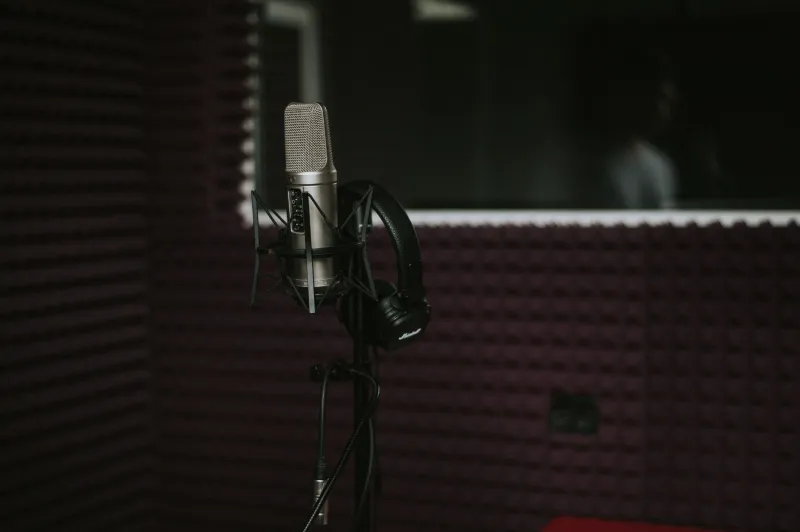
At 1:50am on a Tuesday, a converted textile warehouse in Leeds is still lit like a spaceship. Inside, a singer is on her third cup of tea, the engineer is checking the clock between takes, and the room rate is roughly half what it would be at 2pm. This is the dead-hour economy: studios selling the hours nobody else wants, from late-night blocks to last-minute cancellation slots that appear in group chats like gig tickets.
The hour when the clock gets cheap
The maths is not mysterious. A studio pays rent, insurance, business rates and staff whether or not a band is in the live room. An unsold 11pm-to-6am block is worth nothing; a discounted booking at least covers the tea, the tape and a bit of the mortgage. In 2026, with room rates still tight and emerging artists watching every penny, those slots have become a fixture in cities from Manchester to Bristol. Some rooms advertise 'graveyard sessions' openly. Others keep a cancellation list and text the first act who replies.
The artists who take them are rarely rock stars. They are teachers, nurses, delivery drivers and studio assistants who cannot justify a full day rate. A late slot lets them track vocals after a shift, or book a band when everyone is finally off work. For a certain kind of record—basic tracks, a quick vocal, a mix check—the quiet hours can be genuinely productive.
Who is actually in the room at 2am
Not everyone is chasing a bargain. Some producers prefer the night because the phone stops. The street outside goes quiet, the drummer can play without the neighbours' school run in mind, and the engineer is not squeezing three sessions into one day. One Bristol engineer told Track Shack that his best drum sound came at 3am, partly because the room was empty and partly because nobody was rushing him out for a corporate booking.
But the dead hour is not a neutral space. It is a fatigue multiplier.
The engineer's survival kit
Late-slot studios tend to develop rituals. Engineers rotate so nobody does three graveyards in a row. They print rough mixes before the energy drops. They keep the monitoring low, because tired ears lie about brightness. Some cap tracking at 4am and use the rest of the block for backups and notes. A few refuse to master at night at all, arguing that the same mix sounds different after sleep.
Room protection matters too. Night sessions can mean security keys, alarm codes and a lonely walk to the car. Studios in railway arches and industrial estates need lighting and a plan for the last train. In London, the night tube helps; elsewhere, the 2am slot often ends with a very expensive taxi and a band wondering whether the saving was real.
Bargain or false economy?
The honest answer is: it depends on what you buy. A cut-price night session is a poor place to make big creative decisions, audition a new drummer or record a delicate acoustic ballad. It is a decent place to lay down rhythm tracks, redo a vocal or finish overdubs when the arrangement is already settled. The bargain becomes a false economy when artists arrive unprepared and spend four tired hours deciding on a tempo.
The studios know this. The best late-slot operators ask for pre-production notes, set a hard stop and build in a backup window. They sell the hour honestly: not as a shortcut to a better record, but as a different room with different rules. The 2am slot can be a route into recording. It can also be a way to buy tired takes. The difference is usually planning, not luck.