Four Hours, No Invoice: What Britain's Community Studios Are Really Capturing
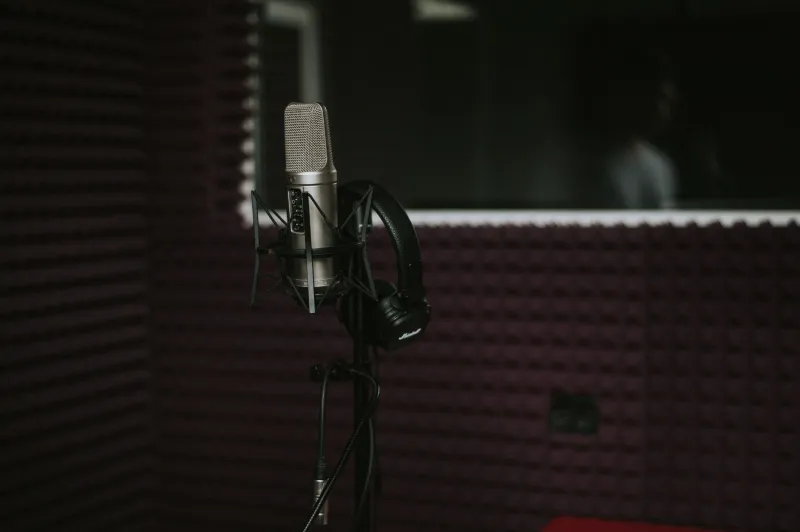
On a wet Tuesday in Leeds, a singer-songwriter is unpacking a borrowed condenser mic in a room that smells faintly of coffee and school-hall floor polish. The booth is small, the acoustic foam is patchy, and the booking slot is four hours long. There is no invoice at the end. This is one of the UK's growing number of free or pay-what-you-can recording spaces, and it is changing the first rung of the demo ladder.
The idea is not a single national scheme. It is a patchwork of library services, council music hubs, community centres, tool-lending libraries and volunteer-run studio projects. Some lend mic kits like paperbacks. Some offer bookable vocal booths with a resident engineer. Some give you a key, a code and a polite reminder to wipe the desk before you leave. In 2026, the network is uneven, underfunded and occasionally chaotic — but it is real, and artists are using it.
The new local studio network
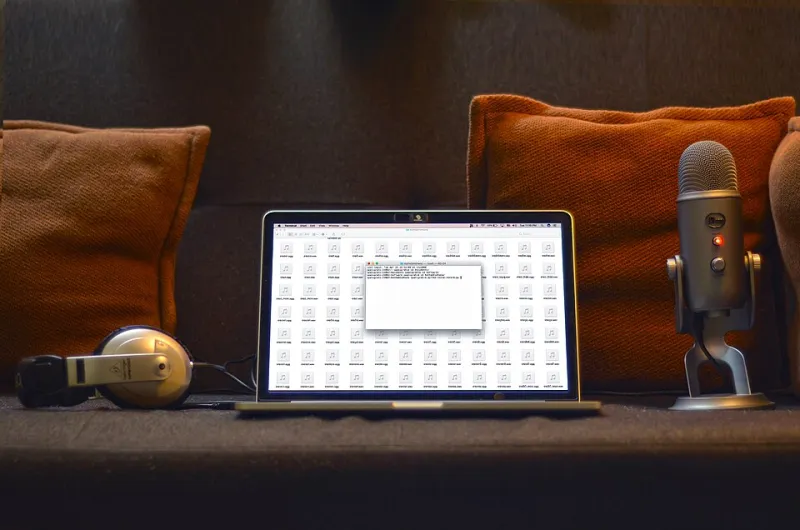
The most visible version is the library-card session. In Bristol, Sheffield, Glasgow, Cardiff and smaller towns in between, library services have added recording equipment to their catalogues. You might find an audio interface, a dynamic mic, a pair of closed-back headphones and a pop filter in a padded case. Sometimes there is a booth in the back room. Sometimes there is just a quiet corner and a sign asking you to keep the volume down.
Council-run music hubs have gone further. Several now operate bookable rooms with treated walls, a keyboard, a vocal mic and a computer running a basic DAW. The equipment is rarely glamorous. Think mid-range interfaces, sturdy dynamic mics, a few plug-ins and a pair of monitors that have seen better days. But the barrier to entry is low, and for a teenager in Norwich or a rapper in Manchester with no spare cash, that matters more than the badge on the preamp.
What four hours actually buys you
The honest answer is: one song, maybe two, if you arrive prepared. Setup eats time. Finding the power socket, checking the interface, setting levels and making the room sound less like a cupboard can take 45 minutes. Teardown and file transfer take another 20. That leaves roughly three hours of usable session time.
In that window, a solo artist can track a solid vocal and an acoustic guitar. A small band can record a DI bass, a MIDI keyboard and a guide vocal. A producer can capture a featured singer over a beat built at home. What you cannot realistically do is set up a full drum kit, experiment with mic positions for an hour and still mix the track before the caretaker arrives.
The artists who get the most out of these slots are the ones who treat them like a session, not a studio day. They bring lyrics printed out, a rough demo on their phone and a clear idea of the vocal comp they want. They label files before they leave. They do not spend 90 minutes choosing a snare sample.
The artists booking the slots
A Bristol-based singer-songwriter tells Track Shack that the free booth gave her the first clean vocal she had ever recorded. She had been layering takes on a phone in her kitchen. The booth did not make her sound like a major-label artist, but it made her realise what her voice actually sounded like in a treated room. That is a useful shock.
In Glasgow, a rapper is using a community studio to record vocals over bedroom beats. He books the same two-hour slot every fortnight, brings his own headphones and keeps a running folder of takes. The room has no engineer, so he has learned to set his own levels and watch for clipping. The results are not polished, but they are consistent.
A Norwich band has been using a council-run space for overdubs. They track drums in a friend's garage, then bring guitars and vocals to the booth. It is not ideal. The room is too small for a full band, and the monitor placement is odd. But it has allowed them to finish three tracks that would otherwise still be half-recorded on a hard drive.
Is free access reshaping the demo scene?
Yes, but not in the way the headlines suggest. Free studios are not replacing professional rooms. They are replacing the gap between writing a song and recording nothing at all. That gap used to be filled by borrowed gear, a mate's bedroom and a lot of guessing. Now there is a bookable room, a loanable mic and a volunteer who knows which cable goes where.
The result is a larger pool of artists with a finished first draft. That draft might be rough. It might be recorded in a room with a faint hum from the radiator. But it exists, and it can be shared, critiqued and improved. For emerging artists, that is often the difference between a hobby and a habit.
There is also a quiet shift in how people prepare. When studio time is free but limited, artists learn to be efficient. They arrive with arrangements sorted. They know their keys. They have a reference track. In a paid room, you might spend the first hour settling in. In a library booth, you spend the first hour setting up because you have to.
The catch: time, skills and queues
Free access is not a fairy tale. The equipment is shared, so it breaks. The booths are booked, so there are waiting lists. The rooms are often staffed by volunteers or overstretched council workers. And not every space has an engineer, which means a beginner can spend four hours recording a vocal that is too quiet and slightly off-axis.
There is also the issue of data. Some spaces expect you to bring your own hard drive. Some have a computer but no cloud storage. Some ask you to export before you leave, then wipe the session. If you forget, your take is gone. That is a hard lesson, but it is a lesson.
The bigger question is sustainability. Free at the point of use is not free to run. Rooms need maintenance, insurance, staff and replacement cables. The libraries and councils doing this well are often the ones that have built partnerships with local music charities, colleges or independent studios. The ones doing it badly are the ones that bought a mic, put it in a cupboard and hoped for the best.
The verdict
Britain's community recording spaces are not a substitute for a good studio. They are a front door. They let people try recording without spending a month's rent. They let a rapper test a vocal chain, a band finish an overdub and a songwriter hear their voice in a room that is not a kitchen.
In 2026, the demo scene is being reshaped by access, not by gear. The artists using these rooms are not waiting for a record deal. They are learning how to finish something. And if the network keeps growing, the next wave of UK records might start in a library, not a lock-up.