The One-Song Session: UK Artists Are Buying a Day and Betting on a Single

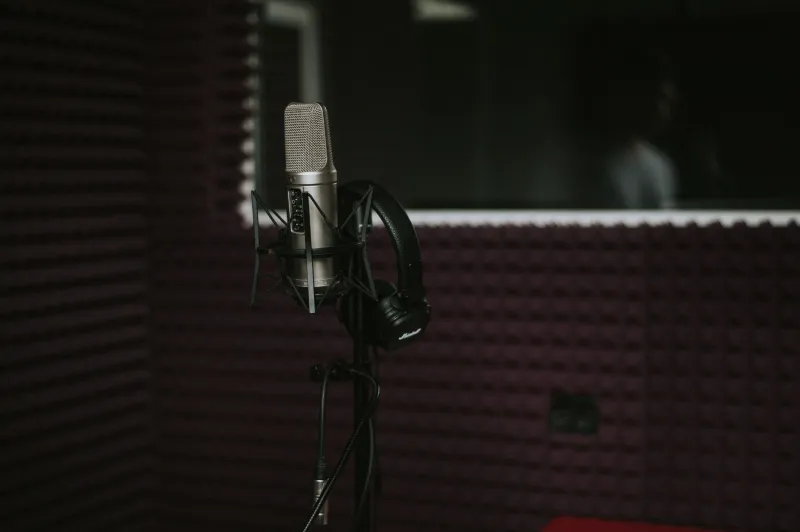
Photo: SorumTV, CC BY-SA 4.0, via Wikimedia Commons
At 10am on a grey Tuesday in Leeds, the clock starts. By 6pm, the door closes. In between, a singer, a drummer and an engineer will try to turn a phone demo into a finished single. No second day. No ‘we’ll fix it in the mix’. Just one room, one song and a rate card that has already been agreed.
This is the one-song session, and in 2026 it is quietly becoming the default booking for emerging UK acts. The old assumption was that a serious artist saved for an EP. The new maths is simpler: save for a day, make one track properly, release it while it still feels urgent, then book again when the next song is ready.
‘The EP used to be the calling card,’ says Maya Ellison, house engineer at a converted mill studio in Salford. ‘Now the calling card is one good song, finished properly. Artists are buying a day, not a fortnight. And honestly, a lot of them are getting better results because the decision-making is compressed.’
Why the single became the unit of studio time
Streaming didn’t kill the EP, but it did change the release rhythm. A playlist pitch, a short-form clip and a mailing-list note can all point at one track. Artists no longer need four songs to announce themselves; they need one that sounds like them, mixed and mastered, with artwork and a plan behind it.
That has changed how rooms sell time. A day rate is no longer just a discount for a longer booking; it is the product. Engineers report more enquiries from artists asking for ‘one song, one day, mix included’ and fewer from acts trying to stretch a small budget across a whole EP. The result is a different kind of session: tighter, more prepared and less forgiving of indecision.
‘You can hear the clock in a good way and a bad way,’ says Nadia, a Bristol-based artist who booked a single-day session in a converted garage studio earlier this year. ‘Good way: everyone is focused. Bad way: if you arrive with three possible arrangements, you leave with none of them finished. I learned that the hard way.’
The creative pressure of a fixed clock
A one-day session is not automatically cheaper per hour. It is cheaper per decision. The engineer’s job shifts from chasing ideas to protecting the song. That means asking harder questions before the red light goes on: what is the tempo? Is the bridge staying? Who is singing the harmony? Are we tracking drums to a click or to a feel?
Ellison says the most common mistake is treating the day as a blank canvas. ‘The artists who do well arrive with a rough demo, a tempo map and a clear idea of what the finished thing should sound like. They are not inflexible, but they have already made the big choices. We spend the day executing, not debating.’
There is also a release-strategy angle. A single can be finished, approved and scheduled without waiting for a full body of work. For UK artists juggling day jobs and self-funded releases, that shorter runway matters. It also allows a room to become a repeat partner rather than a one-off expense: book a day, release a track, return when the next song is ready.
A practical prep checklist for a one-day session
- Send the demo in advance — rough is fine, silent is not. Include tempo, key and any reference tracks.
- Decide the arrangement before you arrive — ‘we’ll try it both ways’ is how a day disappears.
- Agree what ‘finished’ means — tracking only, rough mix, or a mix ready for mastering?
- Bring labelled files and lyric sheets — admin eats creative time.
- Budget for revisions — a day rate rarely includes endless recalls. Ask before you book.
- Know when to stop — the last hour is for printing, backing up and listening, not starting a new idea.
A snapshot of UK day-rate rooms in 2026
Across the UK, single-track sessions are being offered in different shapes. A community room in Sheffield might offer a £220–£300 day with an engineer, aimed at first-timers. A Salford mill studio might charge £350–£450 for a day with a house engineer and a separate mix deal. A London room with a name engineer can sit well above £500, often with mixing priced separately. Bristol and Glasgow have a growing middle ground: small commercial rooms with decent monitoring and a day rate that includes setup and tracking.
The figures are a guide, not a league table. What matters is what is included: engineer time, tea, a tuning break, file delivery, and whether the mix is part of the day or a later invoice. The one-song boom is not about cheap studio time. It is about buying the right amount of it.
‘The best single-day sessions feel like a small, focused job,’ Ellison says. ‘Everyone knows the song. Everyone knows the clock. And at the end, there is something finished to send to the world. That is a very different feeling from leaving with four half-finished ideas and a headache.’