Bedroom Budget, Radio Ambition: Testing the £500 EP Against a London Studio
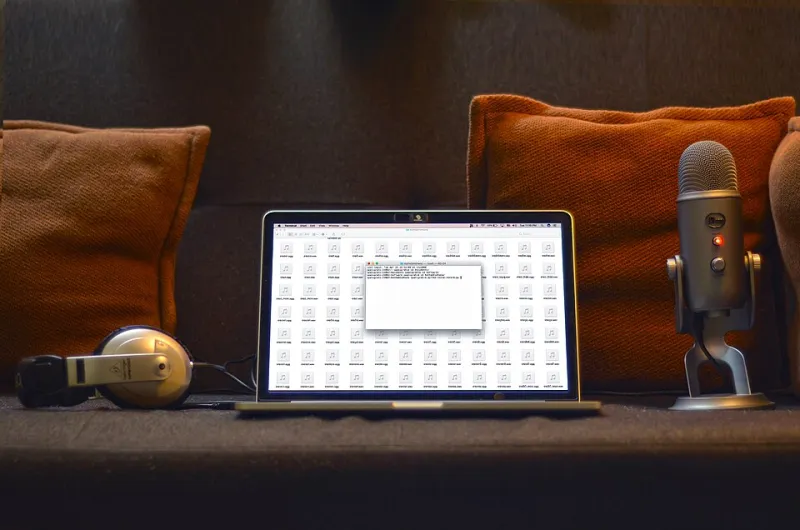
Photo: Subhashish Panigrahi, CC BY-SA 4.0, via Wikimedia Commons
£500 does not buy a hit. It buys a decision. In autumn 2026, Track Shack asked three emerging UK artists to make an EP for a hard cap of five hundred pounds—recording, mixing, mastering, and any gear bought for the project. They could use instruments and computers they already owned. We then took the finished tracks to a mid-tier London studio and listened on monitors that cost more than the EPs. The results were not a morality tale about expensive gear. They were a lesson in where money actually changes what listeners hear.
Three artists, three tight budgets
Niamh, a Leeds-based indie-folk songwriter, recorded four songs in her spare room. She already had a laptop. She bought a used Focusrite Scarlett 2i2 for £110, a second-hand Rode NT1 for £130, and four acoustic panels for £70. She paid a mixing engineer £150 and spent £40 on mastering. Total: £500. Her setup sat on an ironing board for the first week. The final recordings have a close, dry vocal sound and a little room bloom on the acoustic guitar—not a problem for the songs, which are spare and fingerpicked.
Tunde, a Bristol alt-rap artist, worked in a wardrobe lined with moving blankets. He upgraded to a Shure SM58 for £85, bought a used Audient iD4 for £90, and paid a collaborator £100 for two beats. Mixing cost £180; mastering £45. Total: £500. His vocals are thick and forward, with more grit than gloss. The low end is where the budget shows: one track needed a remix because the 808 and kick were fighting on small speakers.
Cassie, a Glasgow dream-pop producer, already owned her interface and a modest condenser. She spent £200 on a day at a local studio for live drums, £120 on a plug-in bundle, £150 on mixing and £30 on automated mastering. Total: £500. Her EP sounds the most polished of the three, but not because of the plug-ins. The drum room did the heavy lifting. The synths and vocals were recorded at home, through the same kind of chain most project studios use.
What a mid-tier London room adds
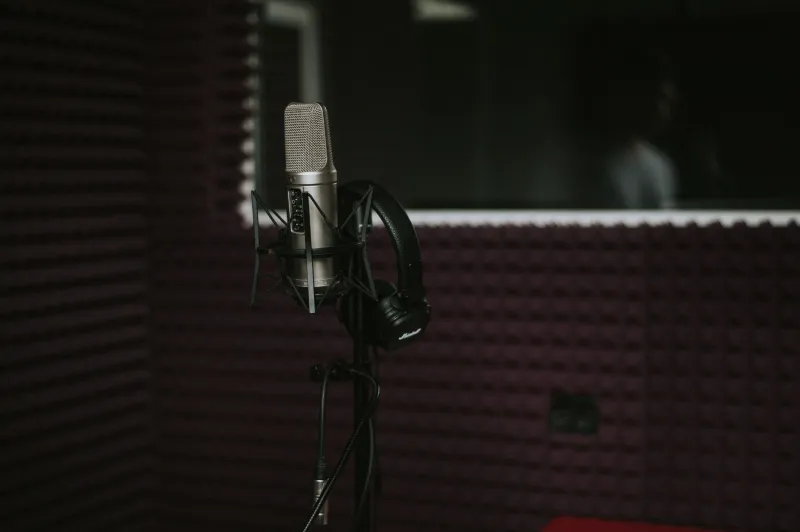
We booked a day at a mid-tier London studio—not Abbey Road, not a name-brand room, but the sort of place where an emerging band can still afford a day. The rate was £420 for ten hours with a house engineer, and the live room was smaller than the control room. For comparison, a four-track EP recorded there over two days, then mixed and mastered elsewhere, would land between £2,200 and £3,500 depending on how much time the mix needs.
What did the money buy? Consistency. The studio had a tuned room, a decent monitoring chain, and an engineer who could hear when the vocal was too close to the mic. It also had a cupboard of microphones that would cost more than a used car. But when we played the bedroom EPs through the same monitors, the gap was narrower than the price tags suggest. Niamh's EP needed more low-end control. Tunde's needed a cleaner vocal chain on one track. Cassie's held up almost everywhere. None of them sounded like demos.
The gear that mattered—and the gear that did not
The biggest returns came from boring things: a treated corner, a reliable interface, one microphone that suited the voice, and a mixing engineer with fresh ears. The £500 EPs did not need a vintage compressor or a subscription to every plug-in ever made. They needed someone to say no to too many layers.
A rough budget for a 2026 bedroom EP might look like this:
| Item | Typical cost |
|---|---|
| Used audio interface | £80–£150 |
| Vocal microphone | £80–£150 |
| Basic acoustic treatment | £60–£120 |
| Mixing (per EP, independent engineer) | £120–£250 |
| Mastering (per track, digital) | £10–£50 |
| Studio day for drums or strings | £200–£450 |
That table is not a recipe. It is a set of trade-offs. If you can borrow a good mic, spend the money on mixing. If your room is boxy, spend it on treatment before you spend it on a plug-in. If your songs need live drums, book a day in a room with a decent kit and an engineer who knows it. Do not book a week in a London studio to record vocals if your spare room already sounds fine.
Radio-ready is not a finish line
In the UK, 'radio-ready' gets used as if it means a specific polish. It does not. BBC Introducing, Amazing Radio, community stations and specialist shows are looking for songs that fit their audiences, not a particular loudness target. Streaming services normalise playback, so a slightly quieter master will not kill you. Playlist editors are not measuring your gear list. They are reacting to the first thirty seconds.
The £500 EP can be radio-ready if the song, arrangement and vocal performance are ready. It cannot buy a better chorus. It cannot buy the months of writing that make a lyric land. What it can buy is a clean capture, a mix that translates to phones and car speakers, and a master that does not distort. That is most of the technical job.
What we would spend the next £500 on
If these three artists had another five hundred pounds, we would not tell them to book a bigger studio. We would tell them to mix one track with a second engineer, master the whole EP with a human, and spend the rest on release-day assets: a decent lyric video, a press photo that does not look like a passport picture, and a small run of cassettes or CDs for the merch table. The EP is not the end of the budget. It is the start of the campaign.
The honest conclusion: a £500 EP can stand next to a mid-tier London recording without embarrassment. It will not always match it. But in 2026, the gap between a smart bedroom setup and a modest studio is smaller than the gap between a good song and a forgettable one. Spend accordingly.