The Landlord's Downbeat: Recording Beside a British Pub
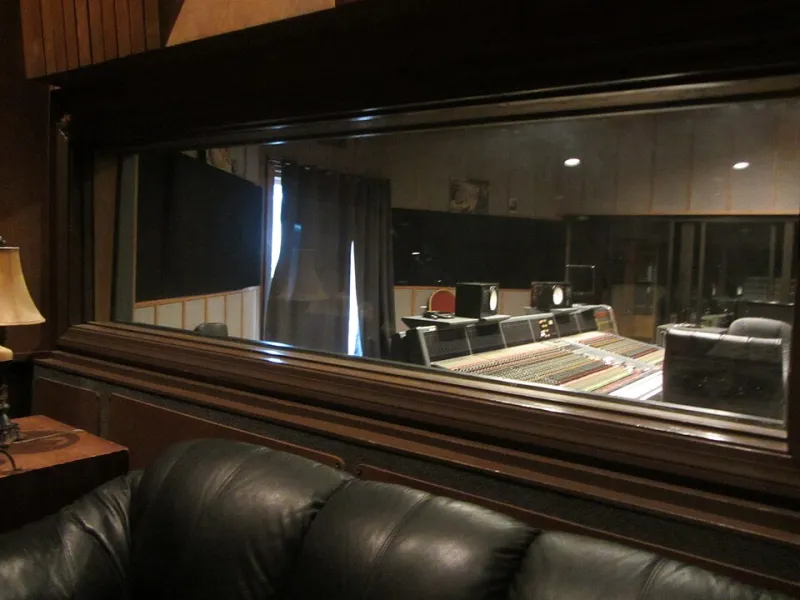
Photo: Katie from Memphis, TN, USA, CC BY-SA 2.0, via Wikimedia Commons
There's a particular sound that doesn't appear on many studio spec sheets: the low, rolling rumble of a beer keg being dropped off the back of a dray at ten past eight in the morning. If your live room shares a yard with a pub, it's the unofficial start of the session.
Britain has a long history of making records in awkward buildings. Converted Victorian warehouses, high-street back rooms, upper floors above shops — the kind of spaces that were cheap because nobody else wanted them. Very often, the neighbour is a pub. Sometimes it's the same building. Sometimes the studio door opens straight onto the beer garden.
That proximity is usually framed as a problem. In practice, it's a timetable.
The pub has a schedule, and it's not negotiable
Engineers who work next to licensed premises tend to learn the rhythm quickly. Deliveries in the morning. Cellar work mid-morning. The lunchtime rush, then a quiet patch. The after-work crowd from about half five. Food service. And then, depending on the pub, either a relatively calm evening or a full karaoke operation with a PA that has seen things.
"You don't fight it," says an engineer who runs a two-room setup in a converted building in Leeds. "You put the drums down before the dray arrives, or you wait until the cellar's been done. The pub's day is fixed. Ours bends around it."
That often means tracking drums between ten and one, then moving to overdubs in the afternoon. Guitar and bass amps go through the afternoon lull. Vocals — the most sensitive to a stray chorus from the public bar — are saved for the early evening or booked as a separate day. Mixing happens late, when the pub has emptied and the only noise is the cellar cooler, which engineers describe as either "a free hum" or "the reason we re-amped everything."
Sunday is its own weather system. A roast service sends kitchen extractor fans and a full dining room into the same hours that a band might want to capture a quiet acoustic take. Some rooms simply don't book Sunday tracking. Others book it precisely because the band wants a hungover, slow afternoon vibe and the pub is too busy to notice a muted electric guitar.
What actually gets through the wall
The good news is that the noise that travels furthest isn't always the noise you'd expect. A loud band next door can be managed with mass, decoupling and a decent lobby. A subwoofer in a beer garden is a different problem: low frequencies are long, stubborn and happy to find the weakest point in a Victorian brick wall.
Typical fixes in pub-adjacent rooms include secondary glazing on the pub-facing windows, independent ceilings and floating floors, and heavy, well-sealed doors with proper acoustic gaskets. Ventilation is the classic weak spot — you can seal a room beautifully and then undo it with a duct that carries every word from the smoking area. Baffled vents and lined ducts are standard.
Less glamorous measures do a lot of work: sealing gaps around pipes, checking that the fire door actually closes, putting a lobby between the live room and the street, and hanging heavy curtains over single-glazed windows. One Sheffield room reportedly solved a persistent glass-recycling noise problem by re-timing the bin collections with the landlord, which is cheaper than a second stud wall.
"The biggest upgrade was a conversation," the Leeds engineer adds. "We told them when we were tracking drums. They told us when the dray came. We stopped guessing."
The neighbourly deal
There is a long tradition of studios and pubs arriving at arrangements that don't appear in either party's insurance policy. The studio records the pub band for free. The pub lets the studio use its back room for a session or a video shoot. The landlord keeps an eye on deliveries. In the summer, the beer garden becomes a de facto green room, and the studio gets a quiet word about when the football is on.
These deals aren't just charming. They're acoustic strategy. A landlord who knows the session schedule is less likely to book a bouncy castle in the yard on the day you're tracking a string quartet.
The hidden timetable is the craft
What looks like a compromise is often just good planning. The best pub-neighbour studios keep a whiteboard with two columns: the band's day and the pub's day. Takes are slotted into the gaps. Big arrangements are tracked when the pub is quiet. Loud, messy, exciting stuff happens before the lunch rush. Mixes get checked against the ambient noise of a Friday night, because that's what half the audience will be listening on.
It isn't romantic, and it isn't always convenient. But it produces records, and it keeps the lights on in buildings that were never designed to be studios in the first place. The landlord gets a decent pint poured. The band gets a take without a keg drop in the middle of it. And the room, with all its leaks and its quirks, keeps doing what it's always done: holding the noise in and letting the right amount of the world through.