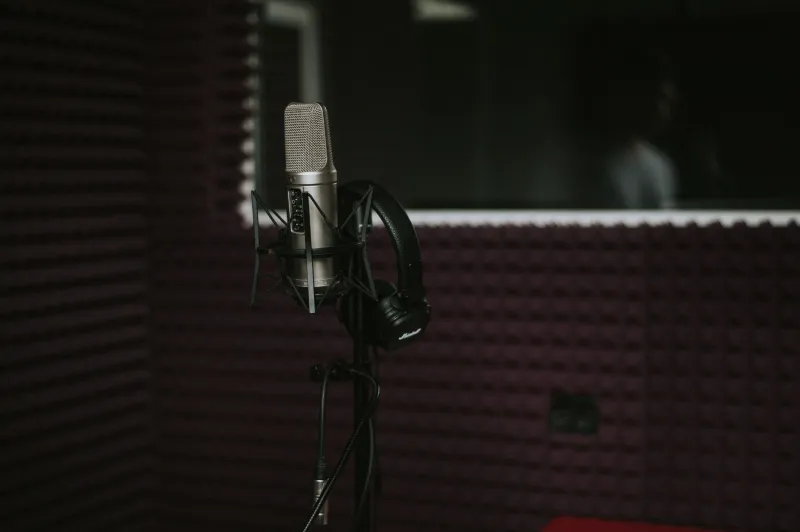
Dust, Dent, Repeat: The UK Studio Gear That Refuses to Be Retired
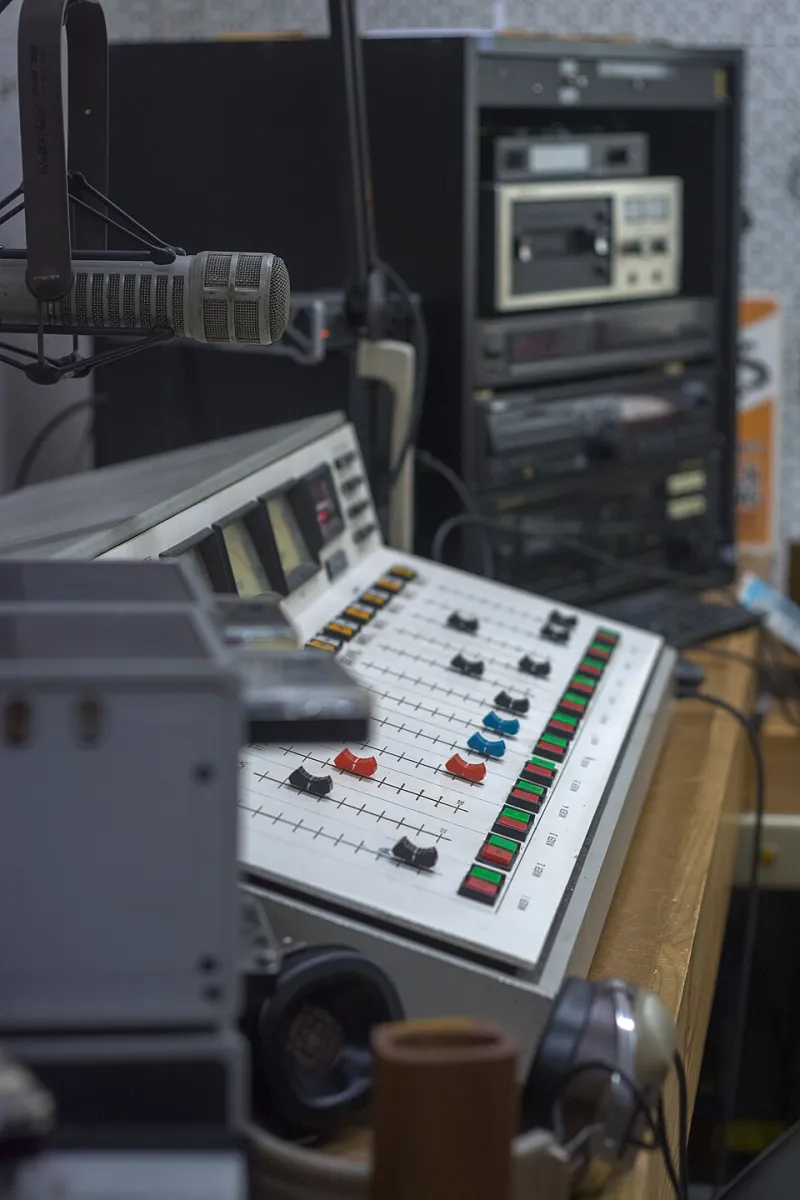
Photo: Ethan Long, CC BY-SA 2.0, via Wikimedia Commons
Studio gear has a way of becoming obsolete on paper and indispensable in practice. In 2026, plug-in emulations are everywhere, modelling amps are better than they have any right to be, and yet the rack in many UK rooms still has a dented dynamic mic, a compressor with faded knobs and a pair of monitors that nobody would call fashionable. These are the cupboard classics: the pieces that keep coming back because they do a job, not because they trend.
The stories behind them are often better than the spec sheets. A community studio in Cardiff has an SM57 that was bought with a grant in the late 1990s and has since been used on every single session, including a session where it fell into a bucket. A commercial room in Manchester keeps a dbx 160X because the house engineer says it ‘makes drums sound like a record instead of a science experiment’. None of this is romantic, exactly. It is practical. But it is also a kind of studio culture: the belief that a piece of gear earns its place by surviving.
1. The dented Shure SM57
Provenance: Community studio, Cardiff. Bought in the 1990s, still on the snare stand.
Why it survives: It is not a luxury item. It is a problem-solver. Guitar cabs, snare drums, brass, a stubborn vocalist who needs to hold something — the SM57 turns up and does the job. Engineers keep them because they are cheap enough to own several and tough enough to lend out.
Listening note: Midrange bite, no silk. On snare it is all crack and body; on guitar it sits in a mix without needing much carving. If it sounds dull, move it, don’t replace it.
2. The dbx 160X
Provenance: Commercial room, Manchester. Bought second-hand in the 2000s, never removed from the rack.
Why it survives: It is unglamorous glue. The 160X does not flatter; it controls. Engineers reach for it on drums and bass when they want a solid, slightly pushy sound rather than a polished one.
Listening note: Fast and firm. It can make a kick feel closer without smearing the transient. Push it too hard and it gets boxy — but that boxiness is sometimes the point.
3. The Symetrix 501
Provenance: Basement studio, Bristol. Rescued from a pawn shop, now used on every drum bus.
Why it survives: It is cheap, odd and effective. The 501 has a character that sits somewhere between ‘vintage’ and ‘slightly broken’, which is catnip for engineers who want movement without a plug-in’s cleanliness.
Listening note: Thick and a little rude. On a room mic it adds grit; on a bass DI it can sound like a small amp. Do not expect transparency. Expect attitude.
4. The Yamaha NS10M
Provenance: Nearly every UK room has a pair, or a pair that has been repaired so many times it counts as one.
Why it survives: They are not pleasant. That is the point. If a mix holds together on NS10s, it tends to hold together elsewhere. Engineers keep them because they know exactly how bad they sound.
Listening note: Mid-forward, low-end shy, unforgiving. Vocals either sit or they don’t. Use them as a second opinion, not a religion.
5. The Beyerdynamic M201
Provenance: Live room, Glasgow. Originally bought for toms, now used on almost everything except toms.
Why it survives: It is a dynamic mic with a bit of class. The M201 handles snare, guitar cabs and even vocals with a tight, articulate sound that sits well in dense arrangements.
Listening note: Crisp but not brittle. On snare it captures the wire without overcooking the ring. On guitar it is more polite than an SM57, which is sometimes exactly what the arrangement needs.
6. The Drawmer 1960
Provenance: Commercial room, London. Bought in the 1990s, serviced more times than the engineer can remember.
Why it survives: It is a UK studio staple with a sound that flatters without being obvious. The 1960 is not the first compressor anyone reaches for in 2026, but it is often the one that stays on the mix bus when everything else feels too clean.
Listening note: Rounded and slightly thick. It can take the edge off a bright mix without making it dull. The valves add a little weight, especially on acoustic instruments.
7. The Fostex 6301
Provenance: Tiny production room, Leeds. Bought for checking mixes, now the main monitor for late-night work.
Why it survives: They are small, cheap and strangely revealing in the midrange. Engineers use them to check whether a vocal is too loud or a snare is too pointy. They are not a main monitor, but they are a useful second pair of ears.
Listening note: Boxed-in but honest. If the vocal disappears on these, it will disappear on a phone. If the low end sounds enormous, it probably isn’t.
Why the unfashionable stuff lasts
The pattern is consistent: gear survives when it solves a recurring problem. A mic that can be dropped. A compressor that adds a known colour. A monitor that tells the truth about the midrange. Trends change, but sessions still need to finish. The cupboard classics are not nostalgia. They are muscle memory.
‘I don’t care if it’s fashionable,’ says one engineer in Sheffield. ‘I care if I can put it up, trust it and get the take. That’s the whole job.’