Gone Before the Bounce: UK Engineers on the Takes That Never Reached the Mix
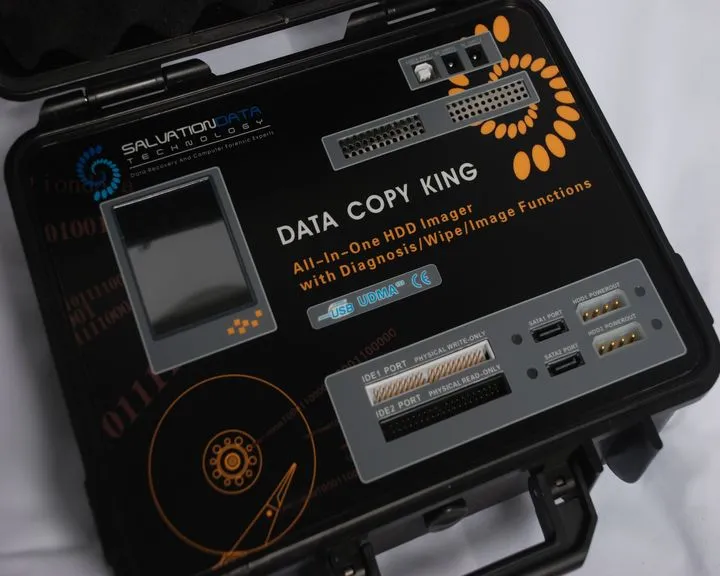
Photo: Fairycherry, Public domain, via Wikimedia Commons
Every engineer has a version of the story. In Salford, it is a vocal comp saved to a drive that was formatted 'for a tidy-up'. In Bristol, it is a horn section that vanished when a RAID array rebuilt itself incorrectly. In Peckham, it is a laptop that went home on the bus and never came back. The details change; the ending is always the same: the take existed, then it didn't.
The anatomy of a lost take
Lost takes rarely disappear in a dramatic explosion. More often, the damage is ordinary: a card pulled without ejecting, a session saved to the wrong folder, a drive that clicked for a week before it stopped. One Edinburgh producer told Track Shack about a three-day session where the band's best performance was recorded to a scratch folder. The scratch folder was cleared on the final morning by an assistant following a tidy-up rota. The record was finished. The take was not.
The stories share a pattern. There is a moment of confusion, then a frantic search, then a quiet acceptance. The engineer feels shame; the artist feels grief; the studio manager feels the cost of a client who will never quite trust the room again. Sometimes the take is re-recorded and is better. Sometimes it is re-recorded and is not.
Backup rituals: the 3-2-1 rule and the reality
Most UK engineers can recite the basics. Keep three copies, on two different types of media, with one off-site. Do not overwrite the only card. Check the backup before the client leaves. Label the drive. Keep a session log. The trouble is that basics are easy to recite and harder to practise at 1am.
The engineers who have been burned tend to become missionaries. They run a second drive during tracking, upload overnight, and keep a 'do not delete' folder for anything that might be the magic pass. Some use checksums to verify large transfers. Others print stems and keep a rough mix with every session, because a rough mix can rebuild a performance even if the multitrack is gone. One Cardiff studio has a policy: no drive leaves the building until it has been copied twice and the client has heard the rough.
Cloud storage is not a magic spell. It is someone else's computer with a monthly bill. Upload speeds in old industrial buildings can be glacial, and a session that finishes at 4am may not finish uploading until lunchtime. Engineers who work late often set the backup running, lock the door and hope. The sensible ones check it remotely before they sleep.
The archive problem
Backups are only half the story. Archives are where lost takes go to wait. A hard drive in a cupboard is not an archive; it is a hope. Formats change, software ages, and the engineer who knew the session might have moved to Berlin. Studios that take archiving seriously migrate projects on a schedule, test old drives, and keep notes that make sense to someone who was not there.
Smaller rooms often cannot afford that discipline. They keep a shelf of drives, a folder of invoices and a memory of which band was difficult. The result is a quiet inequality: the acts with budgets get proper archives, and the acts without them get folklore.
The one that got away
Emotionally, the lost take is strange. It becomes more important because it is gone. Bands argue about whether it was really that good. Engineers remember the exact microphone, the exact room, the exact mistake they made. The song may be finished, released and streamed a million times, but the missing take still sits in the story.
Track Shack spoke to five engineers for this piece. None wanted to name the artist involved in their worst loss. All of them could remember the session date, the song title and the exact moment they realised. That is the other archive: the one in their heads.
The lesson is not glamorous. Back up early, back up often, and do not trust a single drive with the best thing you have ever recorded. The take that got away is usually not a myth. It is a file that nobody copied.