The Rooms That Hummed: Soho's Lost Studios, Britpop at 30 and the Engineers Keeping the Tape Warm
On a wet November afternoon in 2026, the doorways off Dean Street and Wardour Street tell a story that the plaques do not. Thirty years ago, in 1996, Britpop was at its commercial peak—Oasis at Knebworth, guitar bands on magazine covers, the Top of the Pops studio booked solid. The rooms that made that sound were already living on borrowed time. Soho's studio cluster—basements, lift lobbies, cigarette smoke, tape ops—was part of the mythology. By the time the millennium turned, the economics had started to bite.
The closure list is long, and the reasons are familiar
London has lost a remarkable number of recording rooms since the early 2000s. The Townhouse in Shepherd's Bush closed in 2008; Olympic in Barnes became a cinema. Smaller West End rooms vanished with less ceremony, converted into offices, flats, restaurants and short-let apartments. The reasons are not mysterious: property values, business rates, rent reviews, the cost of maintaining a large-format console, and a shift in how records are made. A room that once paid for itself with album budgets could not survive on demo sessions and the occasional string date.
Soho was hit especially hard because the land under it became more valuable than the music made inside it. A basement with a good live room is, to a property developer, a basement. The cultural value does not show up in the rent review.
The engineers who remember the hum
Mara, a freelance engineer who cut her teeth in a Soho basement room in the late 1990s, now runs a project studio in Peckham. She keeps a folder of session photos and a hard drive of rough mixes that she is not supposed to have. 'The room is gone,' she says, 'but the records still teach you. You can hear the ceiling height. You can hear how close the drums were to the wall. That is not nostalgia. It is information.'
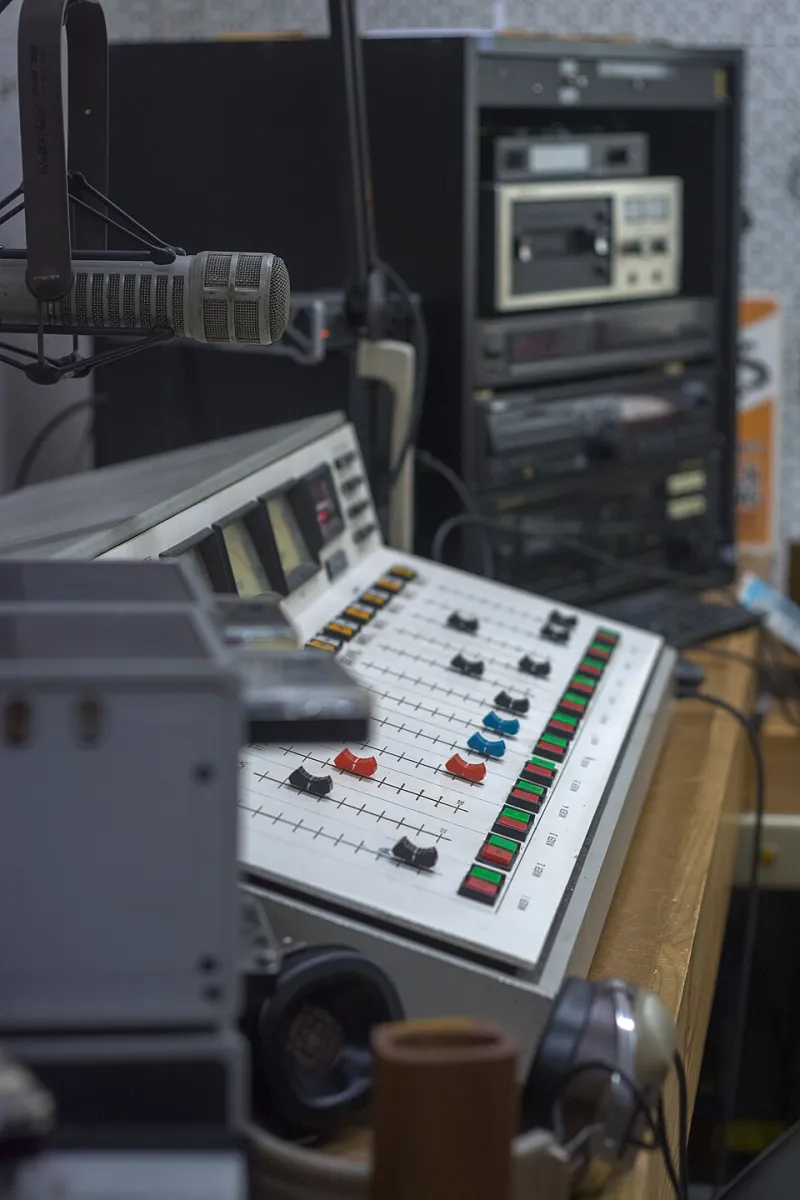
Ray, who looks after a restored 1970s console in a shared space in Tottenham, started as a tape op at a West End room that is now a hotel bar. He reckons the closures took more than gear. 'The console was never the magic,' he says. 'The magic was the assistant who learned by watching, the singer who turned up early and heard a string quartet in the next room, the engineer who knew how to get a vocal in twenty minutes because the room told them what to do.'
That accidental apprenticeship is harder to replicate in a project studio, even one with excellent monitors and a good mic locker. The old rooms were social machines as much as acoustic ones.
The rise of the mobile rig and the project room
Nothing about the closure of the old rooms is an argument that records sounded better in 1996. Plenty of them did not. The shift to mobile rigs, project studios and bedroom setups has opened the door for artists who could never have afforded a West End day rate. A laptop, a decent interface, a treated corner and a good engineer can make a record that gets played on BBC Radio 6 Music. The tools are not the bottleneck.
The bottleneck is time, skill and a place to take risks. A project studio can be brilliant, but it is often also someone's spare room, which means no drum kit at 9pm and no assistant to make the tea. The old rooms had staff. They had a reception. They had a diary that could absorb a cancelled session. Those things cost money.
A current map of surviving UK rooms
The independent UK studio scene in 2026 is not dead. It is smaller, more scattered and more entrepreneurial. Strongroom in Shoreditch, RAK in St John's Wood, Konk in Crouch End and Toe Rag in Hackney still fly the flag in London. Further out, Rockfield in Monmouthshire and Sawmills in Cornwall remain destinations. Chem19 near Glasgow and a scattering of co-operative and community-owned spaces keep the regional circuit alive.
Some of these rooms are booked months ahead. Others are pivoting to mixing, mastering, education and rehearsal hire. The day rate—often £400 to £800—sounds healthy until you count rent, rates, insurance, maintenance and the fact that a console service can cost five figures. The maths is brutal. A studio is a property business with a recording habit.
What closing rooms take with them
The thirtieth anniversary of 1996 is not a call to rebuild the past. It is a reminder that scenes need places to happen. Britpop did not emerge from a playlist. It emerged from clubs, rehearsal rooms, studios and the kind of accidental collisions that a city makes possible when it is not entirely priced for investment.
The engineers keeping those rooms' legacies alive are not just archivists. They restore gear, remaster old sessions, mentor assistants and rent out their rooms to young bands at rates that make no sense on a spreadsheet. They are running a kind of informal preservation society. The rooms may be ghost studios now, but the hum is still in the tapes. The question for 2026 is whether the next generation gets rooms of its own—or only the memory of them.
The past is not a business model. But it is a warning. A city that cannot keep a room for a band to make a loud noise in is a city that has forgotten what makes it interesting.